.svg)
.svg)


.png)

Feeling nervous about going to the dentist is more common than you might think. Between 15-20% of people experience dental anxiety that affects their ability to get regular care.
If you've been putting off dental appointments because of fear, you're not alone.
If you are avoiding dental treatment due to anxiety, small problems like cavities can turn into bigger issues that require more complex and expensive procedures, creating a cycle where your fear increases along with your dental needs. What starts as skipping a simple cleaning can lead to tooth decay, gum disease, and even tooth loss over time.
The longer you wait, the harder it becomes to take that first step back into the dental chair.
The good news is that you don't have to let fear control your oral health. Modern dentistry offers many ways to help anxious patients feel more comfortable, from sedation options to new technologies that make visits easier.
Understanding what happens when you avoid care and learning about the tools available to manage your anxiety can help you break free from this cycle.
Key Takeaways
- Avoiding dental care due to anxiety causes minor issues to develop into serious problems that need more invasive treatment
- People who skip regular dental visits because of fear spend over 40% more on dental treatment throughout their lifetime
- Modern anxiety management techniques and sedation options can help you get the care you need in a comfortable way
How Dental Anxiety Leads to Delayed or Missed Care
Dental anxiety creates a powerful barrier between you and the dental chair, causing you to postpone or skip appointments altogether.
Understanding what triggers this fear and how it turns into a pattern of avoidance can help you recognize when anxiety is controlling your dental health decisions.
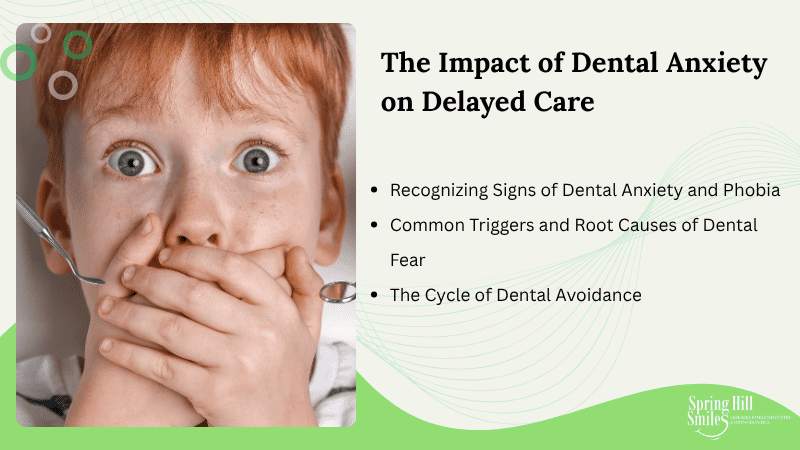
Recognizing Signs of Dental Anxiety and Phobia
You might experience dental anxiety if you feel nervous or uncomfortable before dental visits. Physical symptoms include sweating, rapid heartbeat, trouble sleeping the night before an appointment, or feeling sick to your stomach.
Dental anxiety can lead to missed dental appointments or never seeing the dentist at all. Some people cancel appointments at the last minute or make excuses to reschedule. Others avoid booking appointments in the first place.
Dental phobia is more severe than regular anxiety. If you experience panic attacks, extreme distress, or physical symptoms that make it impossible to attend appointments, you may have a phobia.
The distinction matters because phobias often require professional help to overcome.
Common Triggers and Root Causes of Dental Fear
Past negative experiences at the dentist often create lasting fear. A painful procedure, feeling dismissed by a dentist, or a traumatic childhood visit can make you dread future appointments.
Common triggers include:
- Fear of needles or injections
- Sounds of dental drills and equipment
- Smell of dental offices
- Feeling trapped or unable to control the situation
- Worry about pain during procedures
- Embarrassment about the condition of your teeth
The idea of sitting in a dental chair evokes worry about pain, embarrassment, or loss of control for many people. These feelings can be strong enough to make you postpone appointments for months or even years.
The Cycle of Dental Avoidance
Dental avoidance starts small but grows over time. You skip one cleaning, then another, and soon years pass without a dental visit. This creates a feedback loop that makes anxiety worse.
Small cavities that could have been treated with simple fillings develop into infections requiring root canals or extractions. As your dental problems get worse, your fear of judgment and complex procedures increases.
More than one in seven people in Western countries avoid dental care due to fear. This avoidance pattern means you need more extensive treatment when you finally seek care, which reinforces your original fears about dental visits being painful or unpleasant.
Consequences for Oral and Overall Health
When dental anxiety keeps you from getting treatment, small problems grow into serious health issues that affect both your mouth and your body. The costs add up quickly, and the emotional toll can be just as heavy as the physical damage.
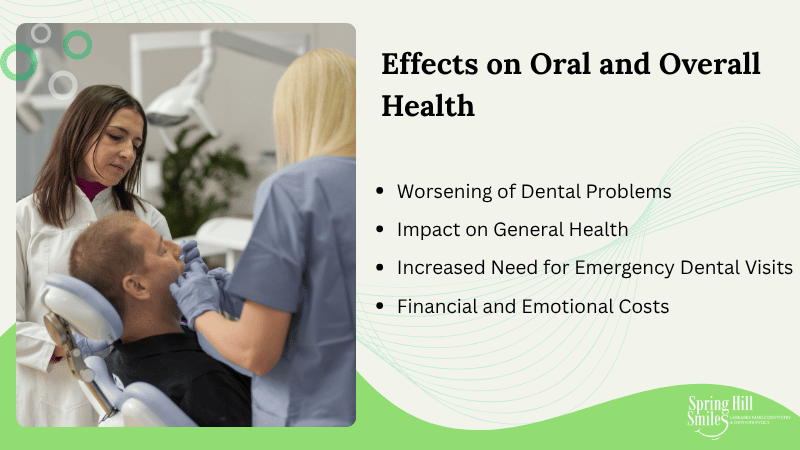
Worsening of Dental Problems
Your dental issues don't stay the same when you avoid treatment. They get worse over time.
A small cavity that could have been filled with a simple procedure can turn into a deep infection. The bacteria eat away at more of your tooth structure. Eventually, you might need a root canal or even lose the tooth completely.
Gum disease progresses through stages when left untreated. What starts as mild inflammation becomes periodontitis. Your gums pull away from your teeth, creating pockets where more bacteria collect.
Tooth decay doesn't present noticeable symptoms in its early stages. By the time you feel dental pain, the damage is already significant. Infected teeth can form pockets of pus that cause facial swelling and fever.
Impact on General Health
Your mouth is connected to the rest of your body. Problems in your teeth and gums can affect your overall health in surprising ways.
Gum disease has been linked to heart disease and diabetes. The bacteria from your mouth can enter your bloodstream and travel to other parts of your body. This increases inflammation throughout your system.
Missing teeth make it hard to eat nutritious foods like meats, fruits, and vegetables. When you can't chew properly, your diet suffers. This can lead to nutritional deficiencies that affect your energy and immune system.
Chronic dental pain contributes to stress and mental health problems. The constant discomfort affects your sleep, work performance, and relationships. You might avoid social situations because you're self-conscious about your teeth.
Increased Need for Emergency Dental Visits
Putting off regular care means you're more likely to need urgent treatment. Emergency dental visits cost more and happen at the worst times.
Here's what often leads to emergency situations:
- Severe infections that cause unbearable pain and swelling
- Broken or knocked-out teeth that could have been prevented with regular care
- Abscesses that require immediate drainage and antibiotics
- Extreme sensitivity that makes eating and drinking impossible
Emergency rooms can't provide the same level of dental care as your dentist. They can give you pain medication and antibiotics, but you'll still need to see a dentist for proper treatment.
Preventive dental care like regular checkups catches problems early. Your dentist can spot a weak tooth before it breaks or treat early decay before it becomes painful.
Financial and Emotional Costs
Avoiding dental appointments leads to higher costs down the road. A simple filling is much cheaper than a root canal or dental implant.
Dental insurance typically covers preventive care at 100%. When you skip these appointments, you lose that benefit. You end up paying much more out of pocket for complex procedures that could have been prevented.
The emotional impact goes beyond money. Missing or damaged teeth can lower your self-confidence. You might smile less or cover your mouth when you talk.
The pain and discomfort from dental problems creates chronic stress. This affects your mental well-being and quality of life. The worry about your teeth becomes a constant background presence.
Treatment becomes more invasive the longer you wait. Root canals and extractions are more stressful than simple fillings. This can make your dental anxiety even worse, creating a cycle that's hard to break.
Breaking Down the Barriers: Managing and Reducing Dental Anxiety
Several proven methods can help you manage dental anxiety, from simple breathing techniques to professional therapy approaches. Creating a comfortable environment and using modern dental technology also plays a big role in reducing your fear of the dentist.
Relaxation and Breathing Exercises
Breathing exercises can effectively calm your nerves before and during dental appointments. When you focus on slow, deep breaths, your heart rate slows down and your body naturally relaxes.
Try this simple technique: breathe in slowly through your nose for four counts, hold for four counts, then exhale through your mouth for six counts. Repeat this pattern several times while sitting in the waiting room or dental chair.
Focused breathing and meditation can successfully help you feel more at ease. You can also practice progressive muscle relaxation by tensing and releasing different muscle groups in your body. Start with your toes and work your way up to your jaw and face.
Many people find that squeezing a stress ball during procedures helps release tension. These physical actions give you something to focus on besides the dental work happening in your mouth.
Cognitive Behavioral and Communication Strategies
Cognitive behavioral therapy helps change the negative thoughts and actions that fuel your dental anxiety. This approach is widely supported for treating specific phobias and has shown strong results in reducing dental fear.
Key communication steps include:
- Tell your dentist exactly what makes you nervous
- Discuss your past dental experiences
- Ask questions about each procedure before it starts
- Establish a hand signal to pause treatment if needed
Your dentist can adjust their approach based on your specific concerns. Some people fear needles while others worry about feeling trapped or losing control. Identifying your particular triggers allows your dental team to address them directly.
Overcoming dental anxiety often requires you to challenge distorted thoughts like "this will be unbearable" with realistic ones like "I can handle this discomfort temporarily."
Role of Supportive Environments and Modern Technology
Bringing distractions to your appointment can make a big difference in managing dental anxiety. Headphones with your favorite music or podcasts help block out dental office sounds. Some people prefer audiobooks or meditation apps.
Modern comfort options include:
- Numbing gel applied before injections
- Local anesthesia that works within minutes
- Nitrous oxide for conscious sedation
- Comfortable chairs with neck support
- Warm blankets and pillows
Many dental offices now have TVs on the ceiling or virtual reality headsets. These technologies give you something pleasant to focus on during treatment.
You can also bring a trusted friend or family member to sit with you during the appointment. Having someone hold your hand or simply being present in the room provides emotional support. Some dentists schedule longer appointment times for anxious patients so you never feel rushed.
Understanding Sedation and Anesthesia Options
Dentists offer several sedation methods to help you feel comfortable during treatment, ranging from mild relaxation with laughing gas to deeper sedation for complex procedures. Each option works differently and suits different levels of anxiety and treatment needs.
Sedation Dentistry Explained
Sedation dentistry uses medications like nitrous oxide, oral sedatives, IV sedation, or general anesthesia to help you relax during dental care.
This approach is especially helpful if you have dental anxiety, sensitive teeth, a strong gag reflex, or need lengthy procedures.
Most patients don't need full general anesthesia for routine dental work. However, if you struggle with extreme anxiety or require extensive treatment, your dentist can recommend the right sedation level for your situation.
Different sedation options exist based on the severity of your anxiety. The levels range from minimal sedation, where you stay awake and alert, to general anesthesia, where you're completely unconscious.
Your dentist will consider your medical history, the type of procedure, and your comfort level when choosing the best option.
Nitrous Oxide (Laughing Gas) and Oral Sedation
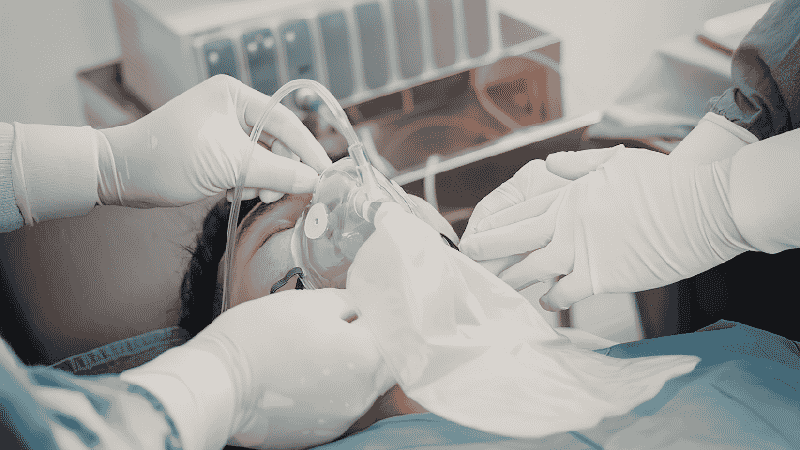
Nitrous oxide, commonly called laughing gas, is the mildest form of sedation dentistry. You breathe it through a small mask placed over your nose during your appointment.
It helps reduce anxiety while keeping you awake and responsive throughout the procedure.
The effects wear off quickly once the mask is removed. You can usually drive yourself home after treatment with nitrous oxide.
Oral sedation involves taking a pill before your dental appointment. The medication makes you drowsy and relaxed, but you remain technically conscious. You might feel sleepy or groggy, and some patients have little memory of the procedure afterward.
With oral sedation, you'll need someone to drive you to and from your appointment. The effects take longer to wear off compared to laughing gas. This option works well for moderate anxiety or longer dental procedures.
IV Sedation and Conscious Sedation Methods
IV sedation delivers medication directly into your bloodstream through a small needle in your arm or hand. This method works faster than oral sedation and allows your dentist to adjust the sedation level during your procedure.
You remain technically awake during IV sedation, but you're in a deeply relaxed, dreamlike state. Most patients have no memory of what happened during treatment. This option is ideal if you have moderate to severe dental anxiety or need longer treatments.
Conscious sedation refers to sedation levels where you can still respond to commands and breathe on your own. Both oral sedation and IV sedation fall into this category. You stay conscious but very relaxed throughout your appointment.
A ride home is required after IV sedation. The effects can last several hours after your procedure ends.
Local Anesthesia and Other Types of Sedation
Local anesthesia numbs a specific area of your mouth where the dentist is working. Your dentist injects the medication near the treatment site, blocking pain signals from that area. You stay fully awake and aware, but you won't feel pain in the numbed area.
Dentists often combine local anesthesia with other types of sedation. For example, you might receive laughing gas to help you relax while local anesthesia prevents pain.
General anesthesia is the deepest level of sedation, used for complex or surgical procedures. You become completely unconscious and won't remember anything about the procedure.
An oral surgeon typically provides this option if you have severe dental anxiety or need procedures that take a long time to complete.
The types of sedation available depend on your dentist's training and your specific needs. Talk to your dentist about which option makes sense for your situation and anxiety level.
Preventive Dental Care and Long-Term Strategies
Regular dental visits and good daily habits can protect your oral health while helping you feel more comfortable with dental care over time. Having dental insurance makes it easier to afford the preventive services that keep small problems from turning into bigger ones.
The Importance of Routine Checkups
Visiting your dentist every six months lets them catch problems early when they're easier and less expensive to fix. Most dental problems develop quietly, so you might not feel pain until the issue becomes serious.
Regular checkups include:
- Professional cleaning to remove plaque and tartar
- Examination of teeth and gums
- X-rays to spot hidden problems
- Cancer screening
- Fluoride treatment
Preventive care costs much less than major treatments like root canals or extractions. A cleaning and exam might cost $100 to $200, while a root canal can cost $1,000 or more.
When you skip checkups, small cavities grow larger and gum disease gets worse, leading to tooth loss and health problems throughout your body.
Building Positive Dental Experiences
You can reduce dental anxiety by taking small steps to make your visits more comfortable. Start by talking openly with your dentist about your fears. Many dentists offer sedation options or can adjust their approach to help anxious patients.
Try these strategies:
- Schedule appointments during less busy times
- Bring headphones to listen to music
- Practice deep breathing exercises
- Ask your dentist to explain each step before they do it
- Take breaks when you need them
Each positive visit makes the next one easier. Your dentist can also help you practice good oral health at home with proper brushing and flossing techniques.
Role of Dental Insurance in Encouraging Care
Dental insurance typically covers 100% of preventive services like cleanings and checkups twice per year.
This means you pay nothing out of pocket for routine visits. Communities with better access to dental insurance see improved oral health across all age groups.
Most plans also cover a percentage of other treatments, making necessary care more affordable when problems do arise. If you don't have insurance, ask your dentist about payment plans or look into discount dental plans that reduce costs for members.
Frequently Asked Questions
Dental anxiety raises many practical questions about health risks, treatment timing, and ways to cope. Understanding your options can help you make informed decisions about your oral care.
What health problems can develop if I keep putting off dental care?
When you delay dental visits, small cavities can grow deeper and reach the tooth's nerve. This causes severe pain and may require a root canal instead of a simple filling.
Gum disease can progress to more advanced stages that lead to bone loss around your teeth. Over time, your teeth can become loose or fall out completely.
Untreated infections in your mouth can spread to other parts of your body. These infections may increase your risk of heart disease and other serious health conditions.
How can I manage dental anxiety when I know I need treatment soon?
Start by finding a dentist who has experience working with anxious patients. Look for practices that advertise their skills in helping people with dental fear.
Tell your dentist about your anxiety before the appointment. Many dentists can tailor appointments by playing calming music, explaining each step, or setting aside extra time.
You can also agree on a hand signal to use when you need a break. This gives you a sense of control during the procedure.
What are common causes of dental fear, and how can I work through them?
Many people develop dental anxiety from a painful childhood experience. Others learned fear from family members who were also afraid of dental visits.
Media portrayals of dentists as villains can also contribute to fear. Some people have specific phobias like fear of needles that make dental care more stressful.
Exposure therapy helps you gradually face your fear in small, manageable steps. Cognitive behavioral therapy works with your thoughts and beliefs about dental care to reduce anxiety over time.
What can I safely take for anxiety before a dental appointment?
Talk to your dentist or doctor before taking any medication for dental anxiety. Some dentists may suggest short-term anxiety medication when you need essential treatment.
Your dentist might offer sedation options that make you sleepy or less aware during the procedure. These options vary based on your specific needs and the type of treatment you're getting.
Never take someone else's medication or combine medications without professional guidance. Your healthcare provider needs to know about all medications you're taking to avoid dangerous interactions.
How can I tell if my dental issue is becoming urgent or an emergency?
Severe tooth pain that keeps you awake at night signals an urgent problem. Swelling in your face or gums indicates an infection that needs immediate attention.
Bleeding that won't stop or a knocked-out tooth requires emergency care. A loose tooth in adults or an abscess with pus also needs prompt treatment.
If you have trouble breathing or swallowing along with dental pain, seek emergency medical care right away. These symptoms could indicate a serious infection spreading beyond your mouth.
What options can help if I'm embarrassed about the condition of my teeth and afraid to be judged?
Dentists regularly treat patients who haven't had dental care in years. They understand that anxiety often creates a cycle where fear prevents visits and delayed care makes the next visit feel more overwhelming.
Consider scheduling a consultation visit first without any treatment. This lets you meet the dentist, discuss your concerns, and create a treatment plan without pressure.
Some dental practices specialize in treating patients with severe dental anxiety or shame. These offices create judgment-free environments where you can get care at your own pace.
.png)
.png)





.svg)
.webp)